
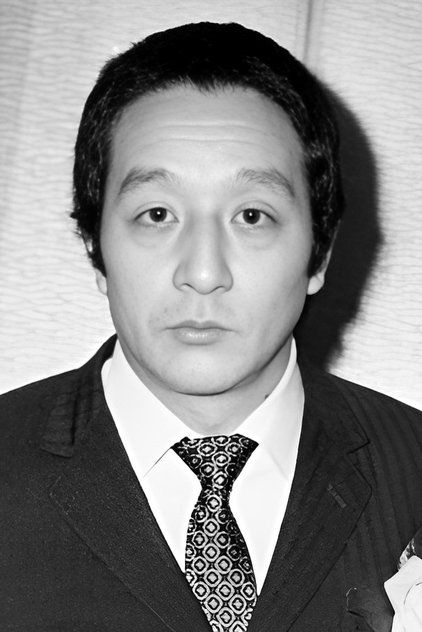
Kunie Tanaka

Performer

Kunie Tanaka

A performer whose catalogue work here is strong, with the fuller case still to be made.

Born
Unknown
Active
1959–1966
Performances
5
In Nutevio
1959–1966
Known for
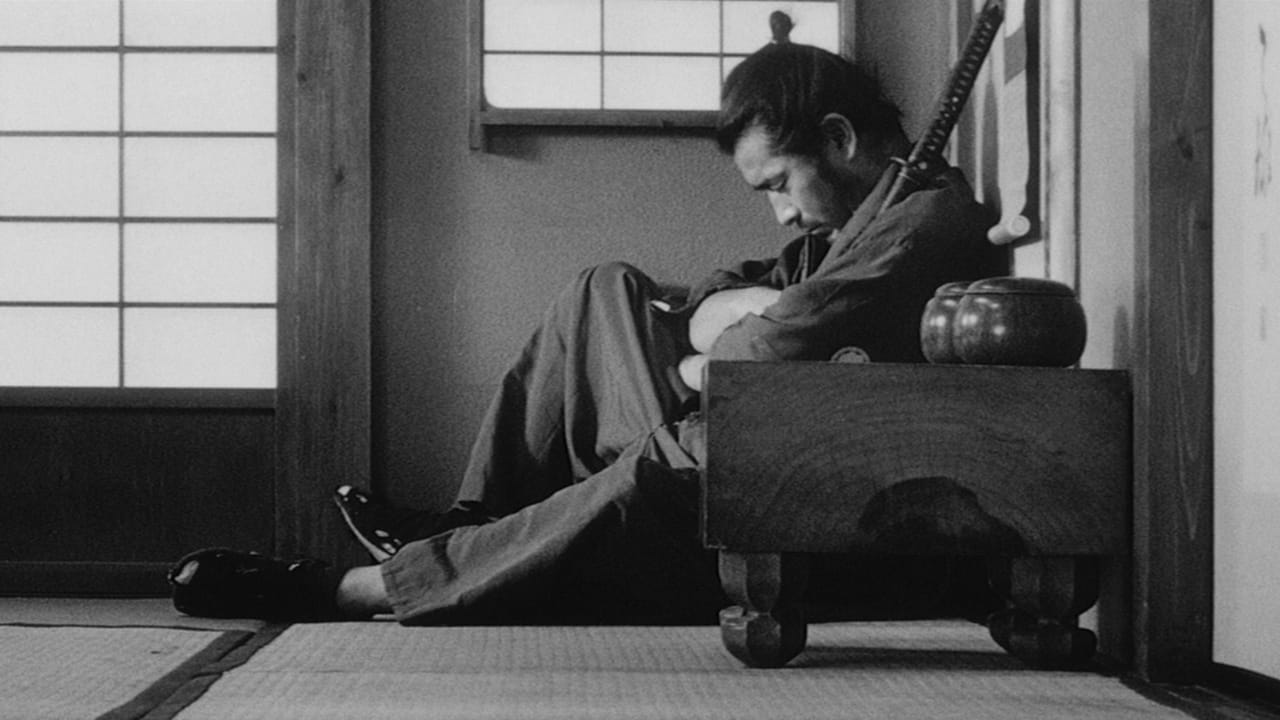
The Sword of Doom
Performer Score
7.0
  • Horror Icon
  • Action Legend
View filmography

Nutevio rank

#110555

of 909177 performers

Top 25%

Kunie Tanaka works on transformation rather than volume, and the catalogue keeps proving that the quieter choice was the correct one.
Ranked #110555 of 909177 performers in the Nutevio catalogue. Recalculated automatically as titles and credits are imported.

The essay

Reading Kunie Tanaka

Our editors on the work, the patterns and the reason this body of work holds together.

Why this performer matters

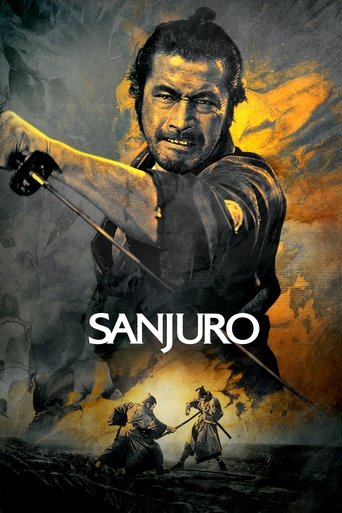
Kunie Tanaka appears in 5 films in the Nutevio catalogue, and none of them would work the same way without Kunie. Sanjuro is the clearest case: a film rated 7.5 by our editors, where the performance carries weight the script only implies.
Signature style

The recognisable elements are transformation, versatility, quiet performance. Watch two of these films back to back and the method separates from the material — the same instrument, tuned differently for action, crime, drama. It is a style built on what is withheld as much as what is played.

Legacy

Working with Kihachi Okamoto, Hiroshi Teshigahara, Masaki Kobayashi and others, Kunie Tanaka helped set a standard other performers now audition against. Awards bodies have been slower than the work, which is usually the sign of a career built on choices rather than campaigns.

Best known for

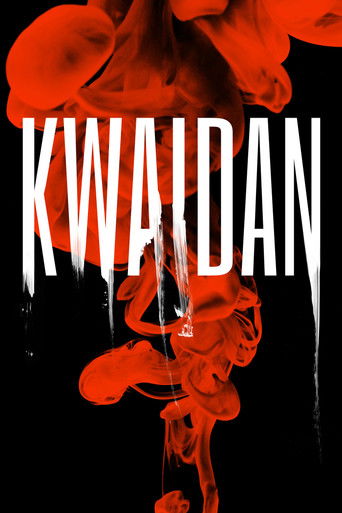
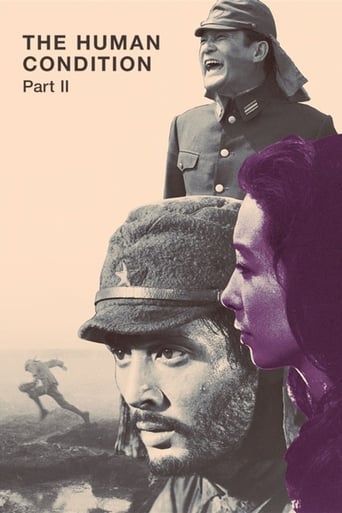
Sanjuro (1962) as Samurai · The Human Condition II: Road to Eternity (1959) as Obara Nitôhei · Kwaidan (1965) as Yasaku (segment "Hoichi the Earless")

Career snapshot

The career at a glance

Ranked #110555 of 909177 performers tracked in the Nutevio library.

  • Films in Nutevio

    5

    1959–1966

  • Career length

    7 yrs

    Measured across our catalogue

  • Academy Awards

    Unknown

  • Oscar nominations

    Unknown

  • Highest Nutevio score

    7.5

    Sanjuro

  • Average Nutevio score

    7.3

    Across catalogue work

  • Highest IMDb rating

    8.2

    The Human Condition II: Road to Eternity

  • Most frequent director

    Masaki Kobayashi

    2 films together

  • Longest collaboration

    With Masaki Kobayashi

  • Most common genre

    Drama

    5 titles

  • Average runtime

    2h 20m

    Across catalogue work

  • Golden Globe wins

    Unknown

Nutevio metric

Performer Score

Ten weighted categories, applied identically to everyone we cover.

Nutevio Performer Score

7.0

out of 10

A performer whose catalogue work here is strong, with the fuller case still to be made.

  • Performance quality7.7
  • Consistency7.2
  • Emotional range7.7
  • Character transformation7.4
  • Cultural impact6.4
  • Iconic roles6.4
  • Career longevity7.1
  • Influence6.4
  • Awards recognition6.8
  • Rewatch value7.0

Nutevio metric

Influence Score

Cultural impact and legacy, measured separately from craft — how far the work travelled once it left the cinema.

Nutevio Influence Score

6.6

out of 10

A quieter influence — felt inside the films rather than across the industry.

  • Cultural impact6.6

    How far the work travelled past the people who saw it first.

  • Legacy6.7

    What survives once the release-week conversation has burned off.

  • Industry recognition6.6

    Institutional acknowledgement, weighted but never decisive.

  • Career longevity7.1

    Years of chosen, relevant work rather than years merely employed.

  • Awards6.4

    Statuettes, read as evidence rather than verdict.

  • Iconic performances6.8

    Roles named without needing the film named alongside them.

  • Influence on filmmakers6.3

    Directors who wrote parts because this performer existed.

  • Influence on other actors6.3

    The reading other performers now have to answer.

Actor DNA

How they work on screen

A fingerprint derived from the roles themselves — register, range and the kind of film they carry.

  • Transformation96
  • Versatility95
  • Quiet performance82
  • Screen presence75
  • Rewatchability71
  • Drama70
  • Charisma66
  • Emotional range60
  • Intensity47
  • Villain presence42
  • Action41
  • Physical performance22
  • Comedy21

The shape of a career

Career evolution

Every performance plotted in time. Hover a point to read the title behind it.

67891019591962196519661966
  • Nutevio
  • Performance score
  • IMDb

Peak years

Best era

Where the scores, the awards and the sheer volume of work agree with each other.

Best decade

1950s

7.4 average MV

The 1950s are where the work and the material meet. The Human Condition II: Road to Eternity — the run our editors reach for first when the argument is about range rather than fame.

Highest average Nutevio score

1950s

7.4

Across 1 catalogue film in this decade, our scores never drop below the level a career is judged on.

Highest average IMDb rating

1950s

8.2

The public agrees most strongly about this stretch — useful context, and occasionally a decade behind our own reading.

Most awarded era

1950s

0 Academy Awards

Statuettes for the films themselves, which is the honest way to read an ensemble career. The Human Condition II: Road to Eternity.

Most productive era

1960s

4 films

The busiest stretch of the catalogue — volume that reads as appetite rather than availability.

Range, mapped

Career heatmap

Genres down the side, decades across the top. Warmer cells mean stronger titles.

The career concentrates in drama during the 1960s, and the scores hold there.
Genre1950s1960s
Drama
7.41 film
7.34 films
Action
7.32 films
Comedy
7.51 film
Crime
7.21 film
Horror
7.31 film

Chronology

Career timeline

Firsts and peaks

Career milestones

The turning points, in the order they happened.

  1. First film in Nutevio

    1959The Human Condition II: Road to Eternity

    Where our catalogue meets this career, as Obara Nitôhei.

  2. Highest rated performance · Career peak

    1962Sanjuro

    7.5 on the Nutevio scale, the top of the catalogue for this performer. Weighing billing against the film's own quality, this is the point where everything aligned at once.

  3. Most recent film

    1966The Face of Another

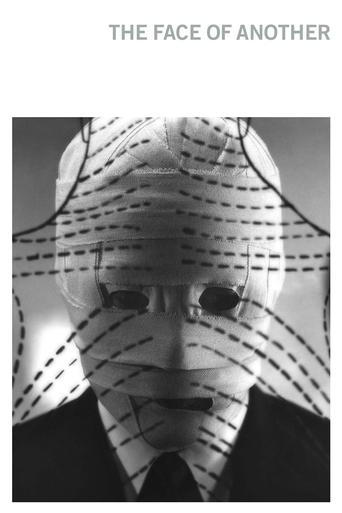
    The current state of the argument, as Mentally Ill Man #1.

Our order

Performances ranked

Every performance in the catalogue, ordered by Nutevio Score.

1
Official poster for Sanjuro (1962)

Sanjuro

1962 · Action

1h 36m

7.9IMDb
2
Official poster for The Human Condition II: Road to Eternity (1959)

The Human Condition II: Road to Eternity

1959 · War

2h 58m

8.2IMDb
3
Official poster for Kwaidan (1965)

Kwaidan

1965 · Horror

3h 3m

7.7IMDb
4
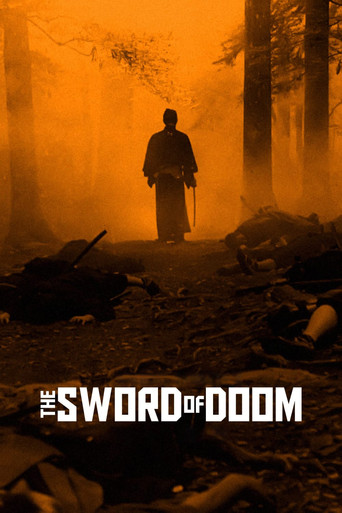
Official poster for The Sword of Doom (1966)

The Sword of Doom

1966 · Action

2h 2m

7.8IMDb
5
Official poster for The Face of Another (1966)

The Face of Another

1966 · Science Fiction

2h 2m

7.8IMDb

Every title

Filmography

Filter by genre or decade, and compare any two titles side by side.

Genre
Decade
Sort

5 of 5 films

Official poster for Sanjuro (1962)

as Samurai

Directed by Akira Kurosawa

IMDb7.9Rotten Tomatoes75%Metacritic741h 36mAction · Comedy · Drama
View movie
Official poster for Kwaidan (1965)

as Yasaku (segment "Hoichi the Earless")

Directed by Masaki Kobayashi

IMDb7.7Rotten Tomatoes73%Metacritic723h 3mHorror · Fantasy · Drama
View movie

From the library

Complete credits

Every movie and TV credit stored for this name in the Nutevio catalogue — filter by media, role or sort by rating.

Loading credits…

The defining work

Signature performances

Official poster for Sanjuro (1962)

#1

Samurai

Sanjuro (1962)

Performance score7.3

The performance the rest of the career is read through. Samurai gives Kunie Tanaka a structure to work against, and the film hands over its centre of gravity without hesitation.

View movie
Official poster for Kwaidan (1965)

#2

Yasaku (segment "Hoichi the Earless")

Kwaidan (1965)

Performance score7.2

Kwaidan asks for something the previous films did not, and gets it. Yasaku (segment "Hoichi the Earless") is played without a single line of pleading for the audience's sympathy — which is exactly why it lands.

View movie
Official poster for The Human Condition II: Road to Eternity (1959)

#3

Obara Nitôhei

The Human Condition II: Road to Eternity (1959)

Performance score7.2

The Human Condition II: Road to Eternity asks for something the previous films did not, and gets it. Obara Nitôhei is played without a single line of pleading for the audience's sympathy — which is exactly why it lands.

View movie
Official poster for The Sword of Doom (1966)

#4

Senkichi

The Sword of Doom (1966)

Performance score7.1

The Sword of Doom asks for something the previous films did not, and gets it. Senkichi is played without a single line of pleading for the audience's sympathy — which is exactly why it lands.

View movie

Start here

The movie journey

A guided path through the work, ordered so each film explains the next.

Official poster for Sanjuro (1962)

Best entry point

Sanjuro

as Samurai

Start here. Sanjuro is the clearest statement of what Kunie Tanaka does — accessible, 96 minutes, and rated 7.5 by our editors. No context required.

Our editors order this path by accessibility first and chronology second. You meet Kunie at the most legible performance, then move forward in time so each film reads as a response to the one before it rather than a repetition of it.

  1. Official poster for The Human Condition II: Road to Eternity (1959)

    The Human Condition II: Road to Eternity (1959)

    Keeps the drama register of Sanjuro but asks for a colder reading of it.

  2. Official poster for Kwaidan (1965)

    Kwaidan (1965)

    Same director as The Human Condition II: Road to Eternity, different problem to solve. Watching them in order shows how much of the effect was the collaboration.

  3. Official poster for The Sword of Doom (1966)

    The Sword of Doom (1966)

    Keeps the drama register of Kwaidan but asks for a colder reading of it.

  4. Official poster for The Face of Another (1966)

    The Face of Another (1966)

    Keeps the drama register of The Sword of Doom but asks for a colder reading of it.

Company kept

Frequent collaborators

The directors and performers this career keeps returning to.

Behind the camera

Director network

Who casts this performer, how often, and what the pairing produces.

Six degrees

Connected through cinema

Follow the thread outward — director, film, co-star, and the film after that.

Categories of our own

Most rewatchable, most emotional, most influential

Six editorial categories we apply to every performer we cover.

Most rewatchable

Official poster for The Sword of Doom (1966)

The Sword of Doom

as Senkichi

The one that survives a fourth viewing. Nothing in the performance depends on surprise, which is why it keeps paying out.

Most emotional performance

Official poster for The Human Condition II: Road to Eternity (1959)

The Human Condition II: Road to Eternity

as Obara Nitôhei

Grief played at conversational volume. The film never asks the audience to cry; the performance simply makes it difficult not to.

Most influential performance

Official poster for Sanjuro (1962)

Sanjuro

as Samurai

You can hear this reading in other actors' auditions a decade later — the surest measure of influence there is.

Best ensemble performance

Official poster for Kwaidan (1965)

Kwaidan

as Yasaku (segment "Hoichi the Earless")

Work that makes everyone else in the frame better without ever pulling the camera towards itself.

Career defining performance

Official poster for Sanjuro (1962)

Sanjuro

as Samurai

If the career had to be argued in a single scene, our editors would pick one from this film and rest the case.

In their films' words

Lines that stay

You can build a whole film around a performer who knows when not to speak. Kunie Tanaka has known it for a long time.

Nutevio Editors · On Sanjuro

Head to head

Compare performers

Put two careers on the same scale and see where the argument actually sits.

Ours alone

Nutevio Honors

Recognitions handed out by this desk, on criteria no awards body uses.

Drama Legend

Awarded

5 catalogue titles in drama, each one a reference point for the films that followed.

Our desk

Editor's picks

Best ending, best opening, best twist and the rest — categories we apply to everyone we cover.

Best ending

Official poster for Kwaidan (1965)

Kwaidan

as Yasaku (segment "Hoichi the Earless")

The last five minutes reorganise everything before them, and hold up when you already know what's coming.

Best opening

Official poster for The Sword of Doom (1966)

The Sword of Doom

as Senkichi

A first sequence that states the rules of the film without explaining a single one of them.

Most emotional

Official poster for The Human Condition II: Road to Eternity (1959)

The Human Condition II: Road to Eternity

as Obara Nitôhei

The film where the technique steps aside and lets the feeling arrive undefended.

Best twist

Official poster for Kwaidan (1965)

Kwaidan

as Yasaku (segment "Hoichi the Earless")

A reversal earned by information the film gave you and trusted you to misread.

Best visual achievement

Official poster for Sanjuro (1962)

Sanjuro

as Samurai

Images that would survive with the sound switched off.

Best action sequence

Official poster for The Sword of Doom (1966)

The Sword of Doom

as Senkichi

Geography, stakes and consequence held in the same frame — spectacle you can follow.

Best dialogue

Official poster for The Sword of Doom (1966)

The Sword of Doom

as Senkichi

Lines written to be spoken, staged so the pauses do half the work.

Most underrated film

Official poster for Kwaidan (1965)

Kwaidan

as Yasaku (segment "Hoichi the Earless")

The public vote sits below ours on this one, and the direction is the reason for the gap.

If you like this performer

Similar performers

Have your say

Community

Community

Which Kunie Tanaka performance holds up best?

Our readers argue about this one. Make your case, or read the ranked debate already in progress.

Join the discussion

Join the conversation

Community discussions

All threads about Kunie Tanaka

Reference

Quick facts

Born
Unknown
Years active
1959–1966
Known for
The Sword of Doom
Genres
Action, Crime, Drama
Nutevio rank
#110555
of 909177 performers tracked

Continue exploring

Where to go next