

Film History
The Crime Film as American Autobiography
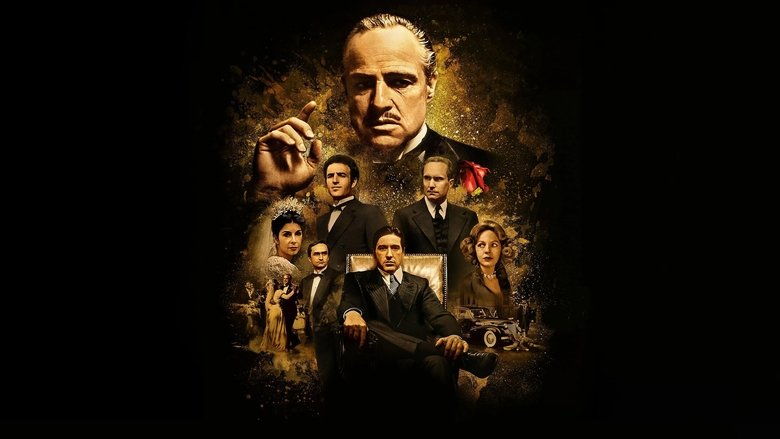
From The Godfather to Zodiac, what the genre keeps confessing about the country that makes it.
The American crime film has never really been about crime. It is about work, family, ambition and the price of the entry ticket — which is to say it is the country''s most durable form of autobiography, told through people who are willing to say out loud what the rest of the story keeps polite.
The Godfather: business as inheritance
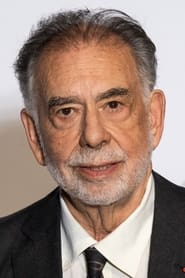
Coppola''s achievement was to film organised crime as a family firm with a succession problem. The violence is procedural. The tragedy is corporate. Michael does not fall; he is promoted, and the film treats promotion as the most complete form of damnation available to an American character.
“Every great American crime film is a story about what a man agrees to become in order to be paid.”
Scorsese: appetite, then arithmetic
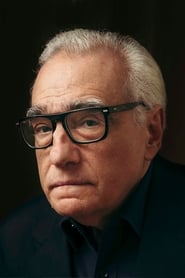
Where Coppola gives us institutions, Scorsese gives us metabolism. His crime films move at the speed of appetite and then slow down to count the cost. Casino spends its first hour explaining a system in loving procedural detail, and its second hour watching that system devour the people who understood it best.
The Departed pushes the same instinct into pure identity panic. Two men perform each other''s lives so completely that the film stops being about loyalty and becomes about whether a self survives the performance. It is the most modern of his crime pictures because its subject is surveillance.
Fincher and the end of the story
Then Zodiac arrives and quietly cancels the genre''s promise. There is no capture, no confession, no closing door. There is paperwork, a receding decade, and men who lose their lives to a case rather than to a bullet. Fincher films obsession as a filing system, and the horror is administrative.
What the genre keeps confessing
- That success and criminality use the same vocabulary.
- That institutions outlive the people who serve them.
- That the American story is most legible when someone is trying to buy their way into it.
Watched in sequence, these films read as a single long testimony. The 1970s asked what it costs to inherit power. The 1990s asked what it costs to run it. The 2000s asked whether anyone was ever in control at all. The answers change; the confession does not.
How we got here
Story timeline
Spanning the years 1945 to 1955, a chronicle of the fictional Italian-American Corleone crime family.
Open on Nutevio
Who's involved
Characters in this story



Keep browsing
Explore the related collection
Collection · genre
Crime Movies
Explore the collection49 titlesCollection · genre
Top 100 Crime Movies
Explore the collection99 titlesCollection · ranking
Top 250 Movies of All Time
Explore the collection250 titlesCollection · theme
Movies With Incredible Endings
Explore the collection50 titlesCollection · genre
Best Psychological Thrillers
Explore the collection50 titlesCollection · genre
Drama Movies
Explore the collection50 titlesCollection · theme
Top 100 Mind-Bending Movies
Explore the collection100 titlesCollection · theme
Best Philosophical Movies
Explore the collection50 titlesTitles in this article
People in this article
 David FincherDirector
 Francis Ford CoppolaDirector
 Martin ScorseseDirector
 Mario PuzoWriter
 Nicholas PileggiWriter
 William MonahanWriter
 Robert EvansProducer
 Albert S. RuddyProducer
- Barbara De FinaProducer
 Bradley J. FischerProducer
 Mike MedavoyProducer
- Arnold MesserProducer
 Ceán ChaffinProducer
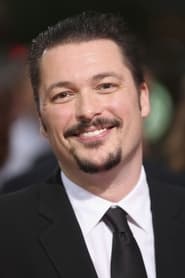 James VanderbiltProducer
 Graham KingProducer
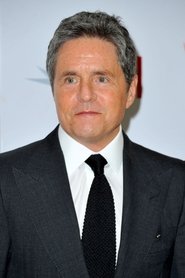 Brad GreyProducer
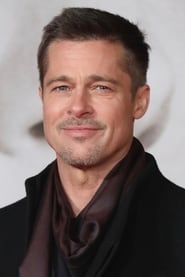 Brad PittProducer
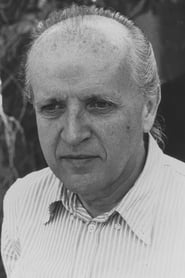 Nino RotaComposer
Reporting sources
- Official studio announcement — Statements issued by the studio or distributor.
- Studio press release — Press material distributed to accredited outlets.
- Interviews — On-record comments from cast and filmmakers.
- Industry trades — Reporting from established trade publications.
- Public announcements — Panels, festivals and verified social accounts.
Nutevio reports only verified information.
Article history
- July 12, 2026Initial publication
About the author
The Nutevio Editors
Nutevio's editorial desk writes about how films are built, not just whether they are good.
Continue reading
More news
EssaysThe Quiet Mechanics of a Perfect Ending
Why the last ninety seconds of a film do more structural work than the first thirty minutes.
The Nutevio EditorsJuly 26, 20269 min2
Read story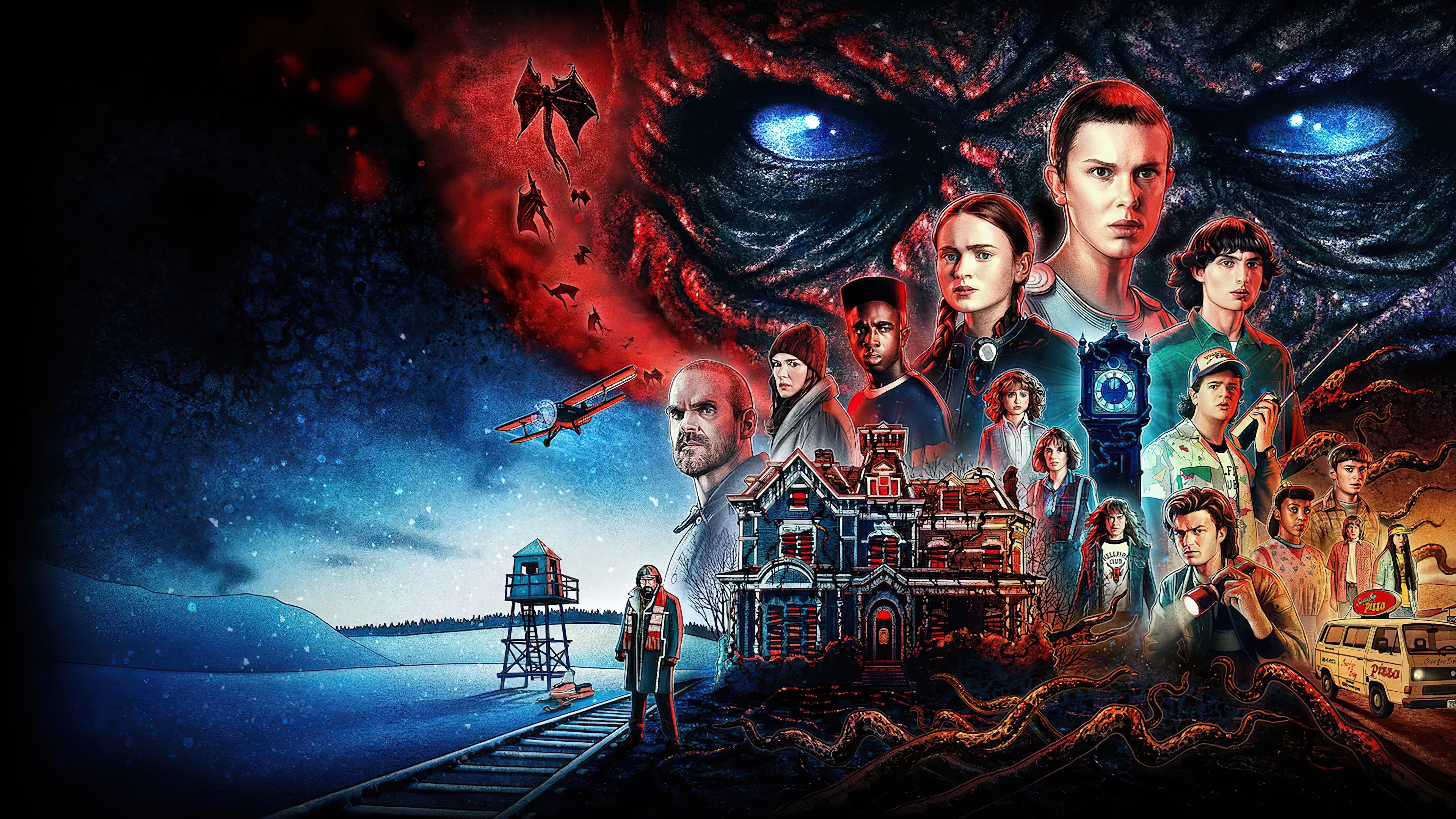 TV News
Tales From ’85 Gives Stranger Things a New Life at Netflix
Tales from ’85 will extend the supernatural world through fresh characters, new stories and the period atmosphere that shaped its appeal.
The Nutevio Editors2 days ago2 min17
Read story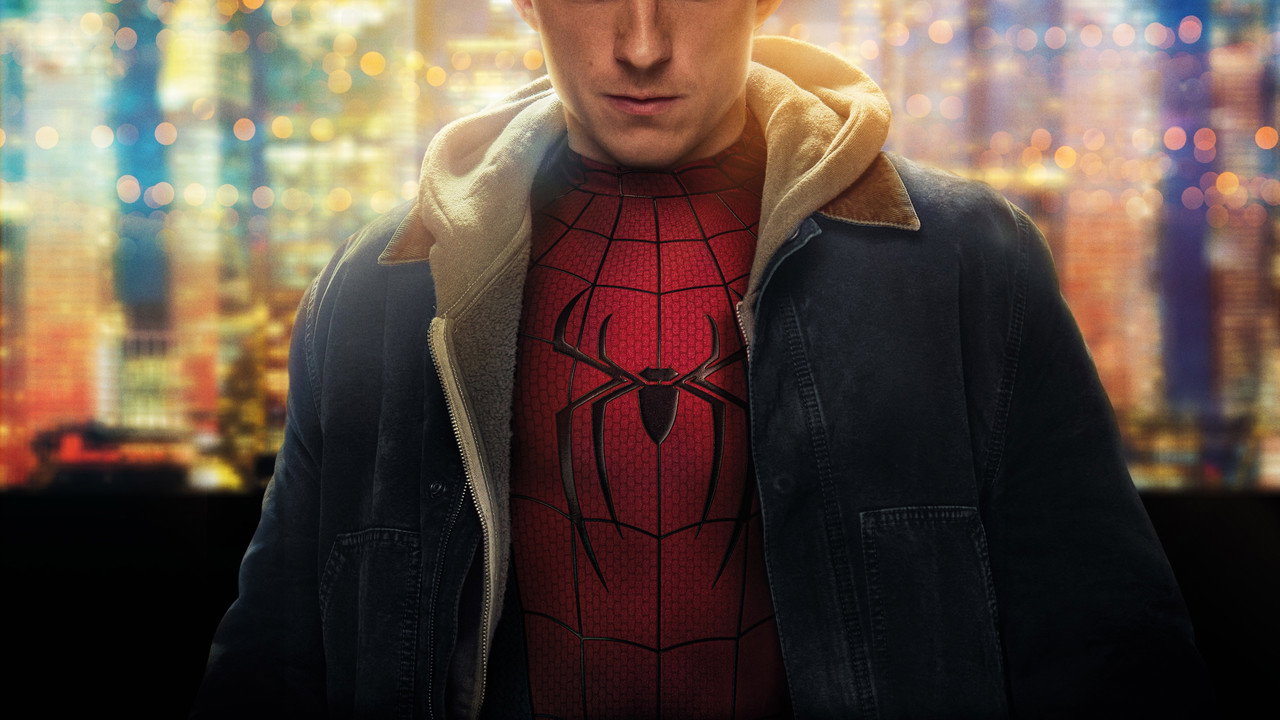 Box Office
Spider-Man: Brand New Day Rules 2026 Box Office After Seven Days
The Sony and Marvel sequel has overtaken Toy Story 5 after earning $1.155 billion worldwide in its first seven days.
The Nutevio Editors4 days ago2 min16
Read story Upcoming TV Shows
Netflix’s This Summer Will Be Different Moves Forward With Its Main Cast
Netflix has cast the central roles in its forthcoming series based on Carley Fortune’s novel, following a March 2026 greenlight.
The Nutevio Editors4 days ago2 min4
Read story Streaming
Tenet Finds New Momentum on HBO Max as The Odyssey Rules Cinemas
Tenet is finding renewed streaming momentum as Nolan’s The Odyssey continues its powerful theatrical run.
The Nutevio Editors4 days ago2 min30
Read story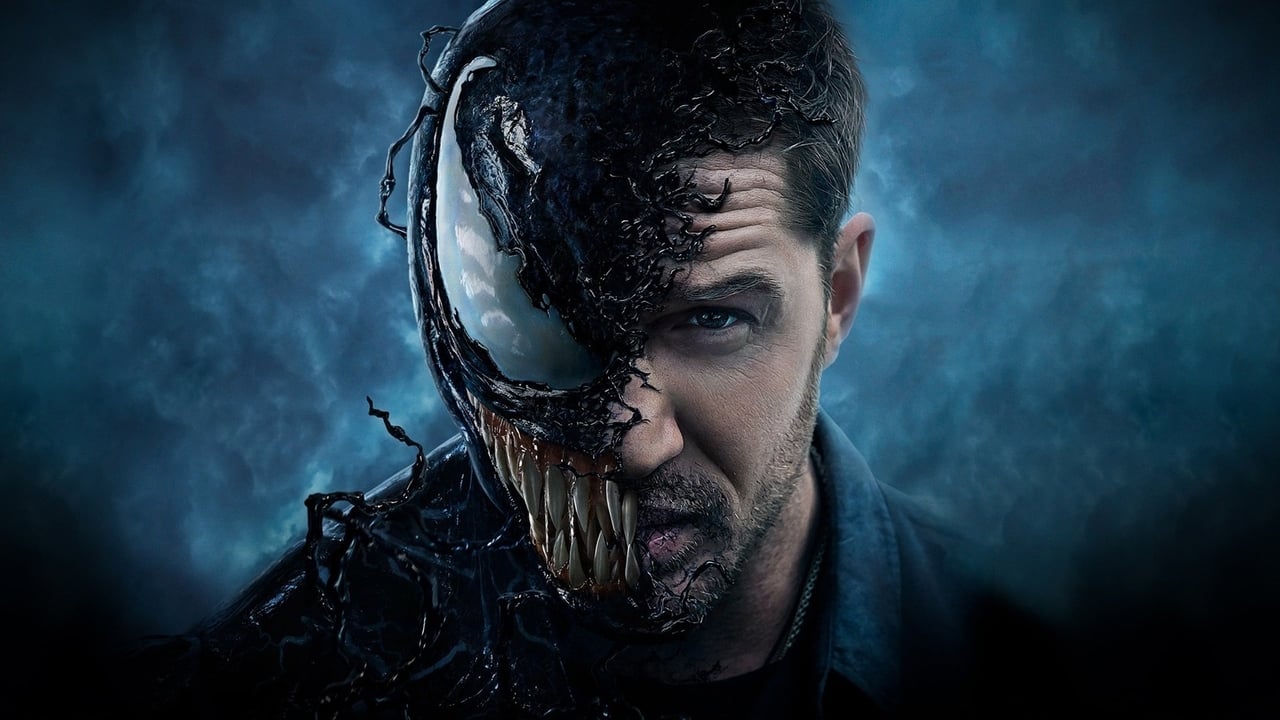 Box Office
Spider-Man: Brand New Day Surpasses Venom With Record Debut
The new Spider-Man film has passed a Venom benchmark with a record-setting opening, although exact grosses remain unconfirmed.
The Nutevio Editors4 days ago2 min6
Read storyJoin the conversation