

Essays
The Quiet Mechanics of a Perfect Ending
Why the last ninety seconds of a film do more structural work than the first thirty minutes.
A film spends two hours teaching you how to read it, and then it spends ninety seconds telling you whether you read it correctly. That is the strange arithmetic of endings. The opening has to earn attention; the ending has to earn everything else retroactively. Nothing else in a film carries so much weight on so little screen time.
An ending is not a surprise
The most common misunderstanding about great endings is that they are twists. They are not. A twist rearranges information. An ending rearranges meaning. The difference matters, because a twist can be spoiled and an ending cannot — you can know exactly what happens in the last scene of a film and still be flattened by it when the images finally arrive in order.
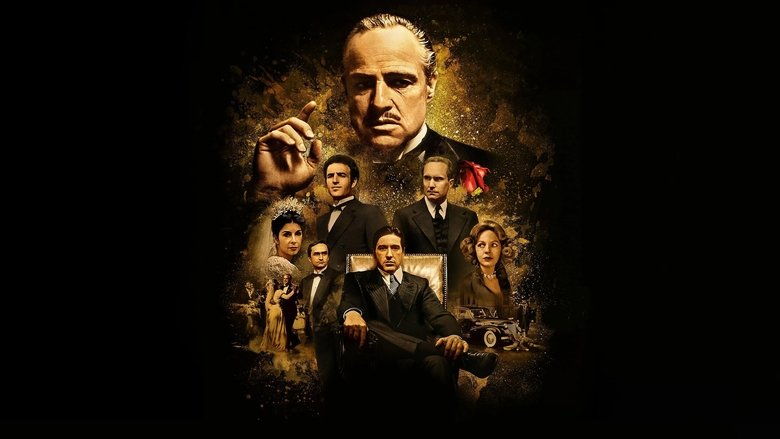
Coppola ends on a closing door because the film has spent three hours describing a threshold. Michael is inside; Kay is outside. No dialogue is needed, no reversal is performed. The shot simply confirms a transformation the film has been quietly logging since the wedding sequence.
“The best endings do not reveal something new. They finish saying something the film had already started to say.”
The three jobs a final scene has to do
- Settle the emotional debt the film has been accumulating.
- Fix the film's point of view — whose story this actually was.
- Leave a single image the audience can carry out of the room.
Watch how rigorously Fincher applies all three at the close of Se7en. The emotional debt is paid brutally, the point of view snaps to Somerset, and the last image — a plain road, a plain sky — refuses catharsis. It is a mean ending, but it is not a cheap one, because it is the only ending that the previous two hours permit.
Endings that reread the film for you
Then there is the rarer species: an ending that sends you back to the beginning. Arrival closes by revealing that its opening was never a flashback, and the entire film reorganises itself around that fact. Parasite descends one last staircase and turns a fantasy into a sentence. Both films end with a gesture rather than an explanation, and both refuse to tell you how to feel about it.
What unites these endings is restraint. They do not raise their voices. They trust that the audience has been paying attention, and they let silence carry the last argument. That trust is the mechanism — not the twist, not the score, not the reveal.
Why weak endings fail
A weak ending almost always fails for the same reason: it answers a question the film never seriously asked. When a third act pivots to a threat that has not been seeded, the ending has nothing to resolve, so it resolves volume instead — bigger, louder, longer. That is not a conclusion. It is an exit.
The films we return to end small. A door. A road. A held look. They understand that the last ninety seconds are not a finale but a signature, and a signature only means something if the rest of the page is already written.
How we got here
Story timeline
Spanning the years 1945 to 1955, a chronicle of the fictional Italian-American Corleone crime family.
Open on Nutevio
Who's involved
Characters in this story




Keep browsing
Explore the related collection
Collection · theme
Movies With Incredible Endings
Explore the collection50 titlesCollection · theme
Top 100 Mind-Bending Movies
Explore the collection100 titlesCollection · ranking
Top 250 Movies of All Time
Explore the collection250 titlesCollection · genre
Best Psychological Thrillers
Explore the collection50 titlesCollection · genre
Top 100 Crime Movies
Explore the collection100 titlesCollection · theme
Best Philosophical Movies
Explore the collection50 titlesCollection · genre
Crime Movies
Explore the collection50 titlesCollection · genre
Thriller Movies
Explore the collection50 titlesTitles in this article
People in this article
 David FincherDirector
 Francis Ford CoppolaDirector
 Denis VilleneuveDirector
 Bong Joon HoDirector
 Eric HeissererWriter
 Mario PuzoWriter
 Han Jin-wonWriter
 Andrew Kevin WalkerWriter
 Dan CohenProducer
 Aaron RyderProducer
 Karen LunderProducer
 Shawn LevyProducer
 Dan LevineProducer
 Robert EvansProducer
 Albert S. RuddyProducer
 Kwak Sin-aeProducer
- Moon Yang-kwonProducer
 Jang Young-hwanProducer
Reporting sources
- Official studio announcement — Statements issued by the studio or distributor.
- Studio press release — Press material distributed to accredited outlets.
- Interviews — On-record comments from cast and filmmakers.
- Industry trades — Reporting from established trade publications.
- Public announcements — Panels, festivals and verified social accounts.
Nutevio reports only verified information.
Article history
- July 26, 2026Initial publication
About the author
The Nutevio Editors
Nutevio's editorial desk writes about how films are built, not just whether they are good.
Continue reading
More news
 Features
How Science Fiction Learned to Whisper
Arrival, Blade Runner 2049 and the decade science fiction stopped shouting.
The Nutevio EditorsJuly 22, 202611 min
Read storyFeaturesNolan's Clock: Time as an Antagonist
Every Christopher Nolan film is a negotiation with a deadline. A close reading of the method.
The Nutevio EditorsJuly 18, 202610 min
Read story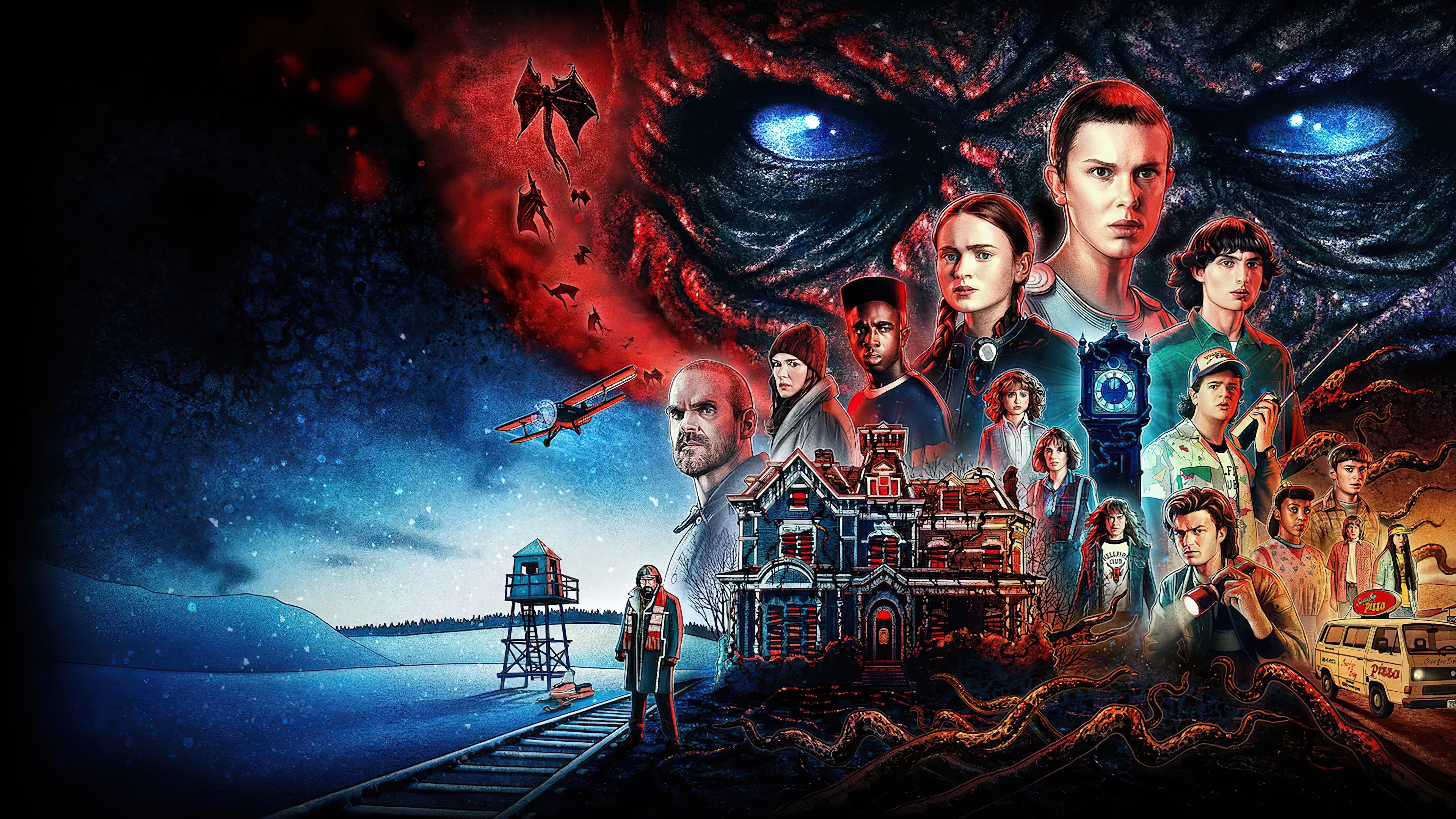 TV News
Tales From ’85 Gives Stranger Things a New Life at Netflix
Tales from ’85 will extend the supernatural world through fresh characters, new stories and the period atmosphere that shaped its appeal.
The Nutevio Editors2 days ago2 min17
Read story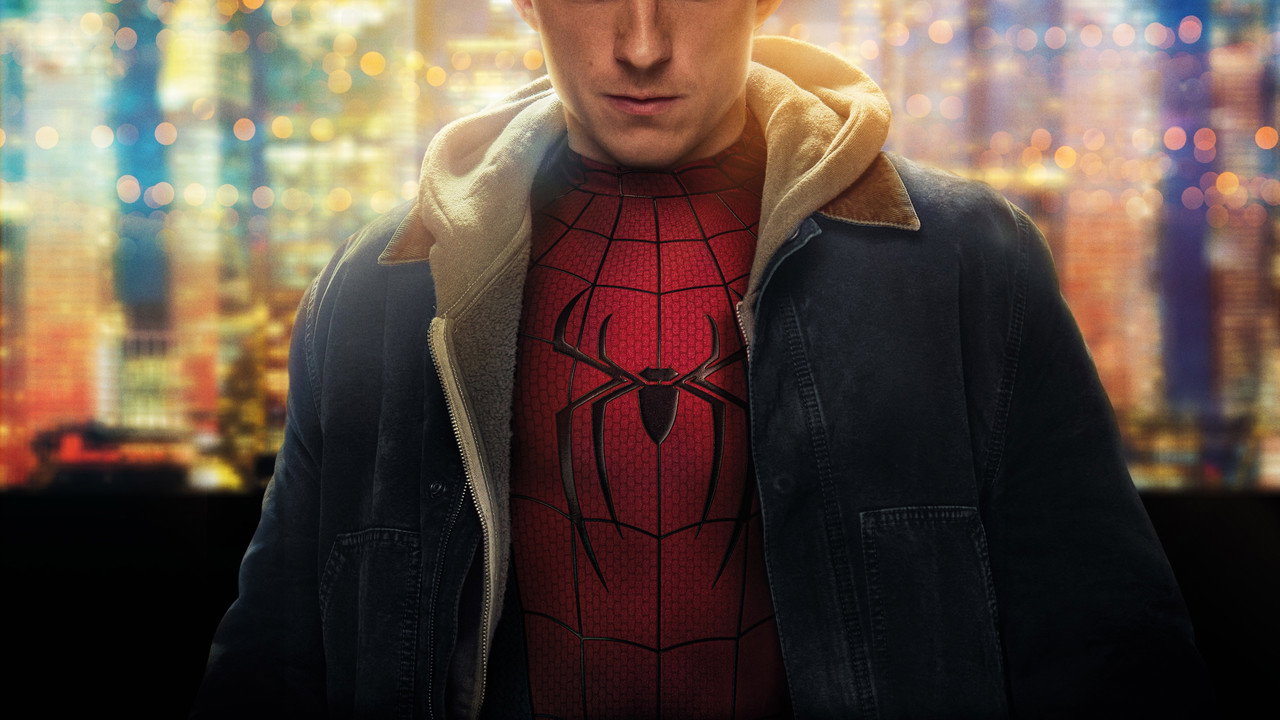 Box Office
Spider-Man: Brand New Day Rules 2026 Box Office After Seven Days
The Sony and Marvel sequel has overtaken Toy Story 5 after earning $1.155 billion worldwide in its first seven days.
The Nutevio Editors4 days ago2 min16
Read story Upcoming TV Shows
Netflix’s This Summer Will Be Different Moves Forward With Its Main Cast
Netflix has cast the central roles in its forthcoming series based on Carley Fortune’s novel, following a March 2026 greenlight.
The Nutevio Editors4 days ago2 min4
Read story Streaming
Tenet Finds New Momentum on HBO Max as The Odyssey Rules Cinemas
Tenet is finding renewed streaming momentum as Nolan’s The Odyssey continues its powerful theatrical run.
The Nutevio Editors4 days ago2 min30
Read storyJoin the conversation