
Nutevio Score
9.1Ⓝ
- IMDb
- 7.6
- Rotten Tomatoes
- 92%
- Metacritic
- 79
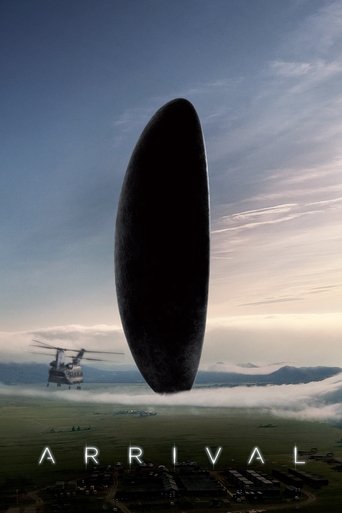
When mysterious spacecraft appear across the world, linguist Louise Banks is brought in to do something no one has ever attempted: understand why their visitors are here. What follows is less about an alien invasion than communication, memory, grief and the strange ways we experience time.
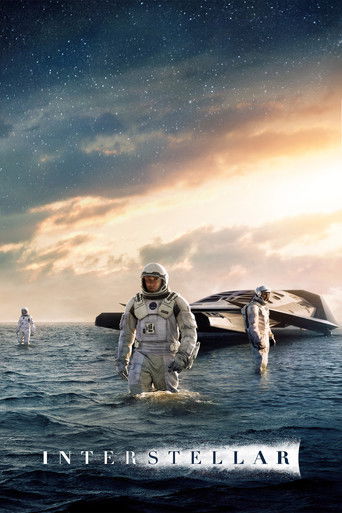
Why it's ranked here — Arrival earns the top spot because it shares Interstellar’s rare ability to make an enormous science-fiction idea feel deeply personal.
The number one — extended editorial
Legacy
Nearly a decade after its release, Arrival has lost very little of its power. What initially looked like a cerebral first-contact movie has become one of the defining science-fiction films of the 2010s. Its influence comes less from spectacle than restraint. The film trusts language, atmosphere and Amy Adams' performance to carry ideas that other sci-fi movies might bury beneath exposition. And once you know where the story is heading, watching it again becomes a different experience entirely.
Cultural impact
Arrival helped prove that ambitious science fiction didn't have to choose between big ideas and genuine emotion. Its aliens may bring audiences through the door, but communication, grief, memory and the value of knowing what lies ahead are what people tend to remember. It also gave modern first-contact stories a different reference point. Instead of asking how humanity would fight something we don't understand, Arrival asks whether we could learn to understand it in the first place.
Denis Villeneuve on the material
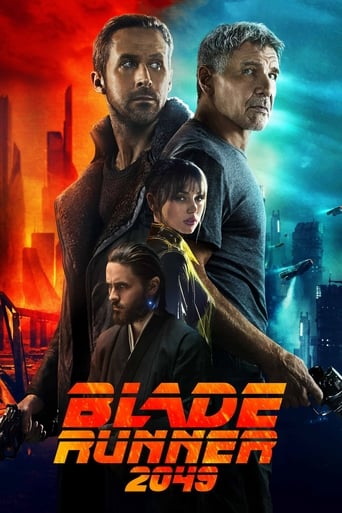
This is where many of the qualities now associated with Denis Villeneuve's science-fiction work came fully into focus: enormous scale without constant spectacle, patient pacing, striking imagery and characters who often reveal more through silence than dialogue. Before Blade Runner 2049 and Dune, Arrival showed how comfortable Villeneuve was letting a science-fiction world remain mysterious. He doesn't rush to explain everything. That restraint is a major reason the film's emotional turn feels earned rather than engineered.
Awards summary
Arrival received eight Academy Award nominations, including Best Picture, Best Director for Denis Villeneuve and Best Adapted Screenplay. It won the Oscar for Best Sound Editing. The recognition fits the film: its sound, editing, cinematography and production design all contribute to the same uneasy atmosphere. But its lasting reputation has become bigger than its awards run. Arrival is now regularly discussed among the standout science-fiction films of its era—and one of Villeneuve's essential films.
If Interstellar left you thinking about time, love and the choices that shape a life long after the credits ended, Arrival is the movie on this list most likely to do it again — just in an entirely different way.
Perfect for
- Fans of intelligent, emotional science fiction
- Denis Villeneuve fans
- First-contact and alien-mystery stories
- Movies that reward a second viewing
Skip if
- You want fast-paced alien action
- You dislike slow, deliberate storytelling
- You prefer science fiction with straightforward answers
Best watched: Late at night, with the phone put away. This is one of those movies where the small details matter.
Editor's note
“The first time through, you follow the mystery. The second time, you notice everything the mystery was hiding in plain sight. That’s what keeps Arrival from feeling like a movie built around a twist.”