


Features
Nolan's Clock: Time as an Antagonist
Every Christopher Nolan film is a negotiation with a deadline. A close reading of the method.
Most thrillers use a clock as pressure. Nolan uses it as an opponent. In his films time is not the frame the story happens inside; it is the thing actively working against the protagonist, with its own logic, its own cruelty and, frequently, its own edit.
Memento: the clock runs backwards
The reversed structure of Memento is often described as a gimmick. It is closer to an argument. By denying the audience the memory the protagonist lacks, the film makes us complicit in his manipulation. We are not watching a man be deceived; we are being deceived at exactly his speed.
“Nolan does not put a clock in the frame. He builds the frame out of the clock.”
Inception and the arithmetic of dread
Inception is the purest statement of the method: four timelines running at four speeds, each one bleeding consequences into the next. The famous falling van is not a set piece, it is a metronome. The film is essentially an editing thesis about how tension scales when the same second costs different amounts in different rooms.
Interstellar: time as grief
Interstellar makes the antagonist personal. An hour on a planet costs years at home, and the bill arrives as a stack of unwatched video messages. It is the most emotionally direct use of the device in his filmography, because the loss is not abstract — it is a face that has aged without you.
Tenet and the limits of the idea
Tenet pushes the mechanism until it becomes the subject, and this is where the method strains. When time runs in two directions simultaneously, the audience is asked to solve rather than feel. The film is a magnificent machine and a colder experience, which is a useful demonstration of what the earlier films were quietly balancing.
Oppenheimer: the deadline becomes history
With Oppenheimer the clock finally becomes literal and moral at once. A countdown to a test, a countdown to a hearing, a countdown that never stops after the credits. Nolan cuts between colour and monochrome not to confuse chronology but to separate two verdicts — what a man saw, and what was later decided about him.
Across twenty-five years the constant is not the puzzle. It is the conviction that a person can be defined by what a deadline forces them to give up. Take the clocks out of Nolan''s films and the plots would still function. The characters would not.
How we got here
Story timeline
Leonard Shelby is tracking down the man who raped and murdered his wife.
Open on Nutevio
Keep browsing
Explore the related collection
Collection · director
Christopher Nolan Movies Ranked
Explore the collection11 titlesCollection · theme
Top 100 Mind-Bending Movies
Explore the collection100 titlesCollection · ranking
Top 250 Movies of All Time
Explore the collection250 titlesCollection · theme
Movies With Incredible Endings
Explore the collection50 titlesCollection · theme
Hidden Sci-Fi Gems
Explore the collection50 titlesCollection · genre
Thriller Movies
Explore the collection50 titlesCollection · theme
Best Space Movies
Explore the collection46 titlesCollection · genre
Best Psychological Thrillers
Explore the collection50 titlesTitles in this article
People in this article
 Christopher NolanDirector
 Jonathan NolanWriter
 Emma ThomasProducer
- Kanjiro SakuraProducer
- Yoshikuni TakiProducer
 Lynda ObstProducer
 Jennifer ToddProducer
 Suzanne ToddProducer
 Ludwig GöranssonComposer
 Hans ZimmerComposer
 David JulyanComposer
 Hoyte van HoytemaCinematographer
 Wally PfisterCinematographer
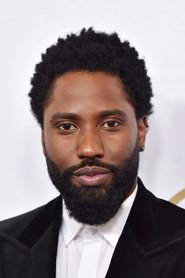 John David WashingtonActor
 Leonardo DiCaprioActor
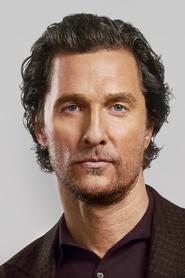 Matthew McConaugheyActor
 Guy PearceActor
 Carrie-Anne MossActor
Reporting sources
- Official studio announcement — Statements issued by the studio or distributor.
- Studio press release — Press material distributed to accredited outlets.
- Interviews — On-record comments from cast and filmmakers.
- Industry trades — Reporting from established trade publications.
- Public announcements — Panels, festivals and verified social accounts.
Nutevio reports only verified information.
Article history
- July 18, 2026Initial publication
About the author
The Nutevio Editors
Nutevio's editorial desk writes about how films are built, not just whether they are good.
Continue reading
More news
FeaturesHow Science Fiction Learned to Whisper
Arrival, Blade Runner 2049 and the decade science fiction stopped shouting.
The Nutevio EditorsJuly 22, 202611 min
Read story Streaming
Tenet Finds New Momentum on HBO Max as The Odyssey Rules Cinemas
Tenet is finding renewed streaming momentum as Nolan’s The Odyssey continues its powerful theatrical run.
The Nutevio Editors4 days ago2 min30
Read story Essays
The Quiet Mechanics of a Perfect Ending
Why the last ninety seconds of a film do more structural work than the first thirty minutes.
The Nutevio EditorsJuly 26, 20269 min2
Read story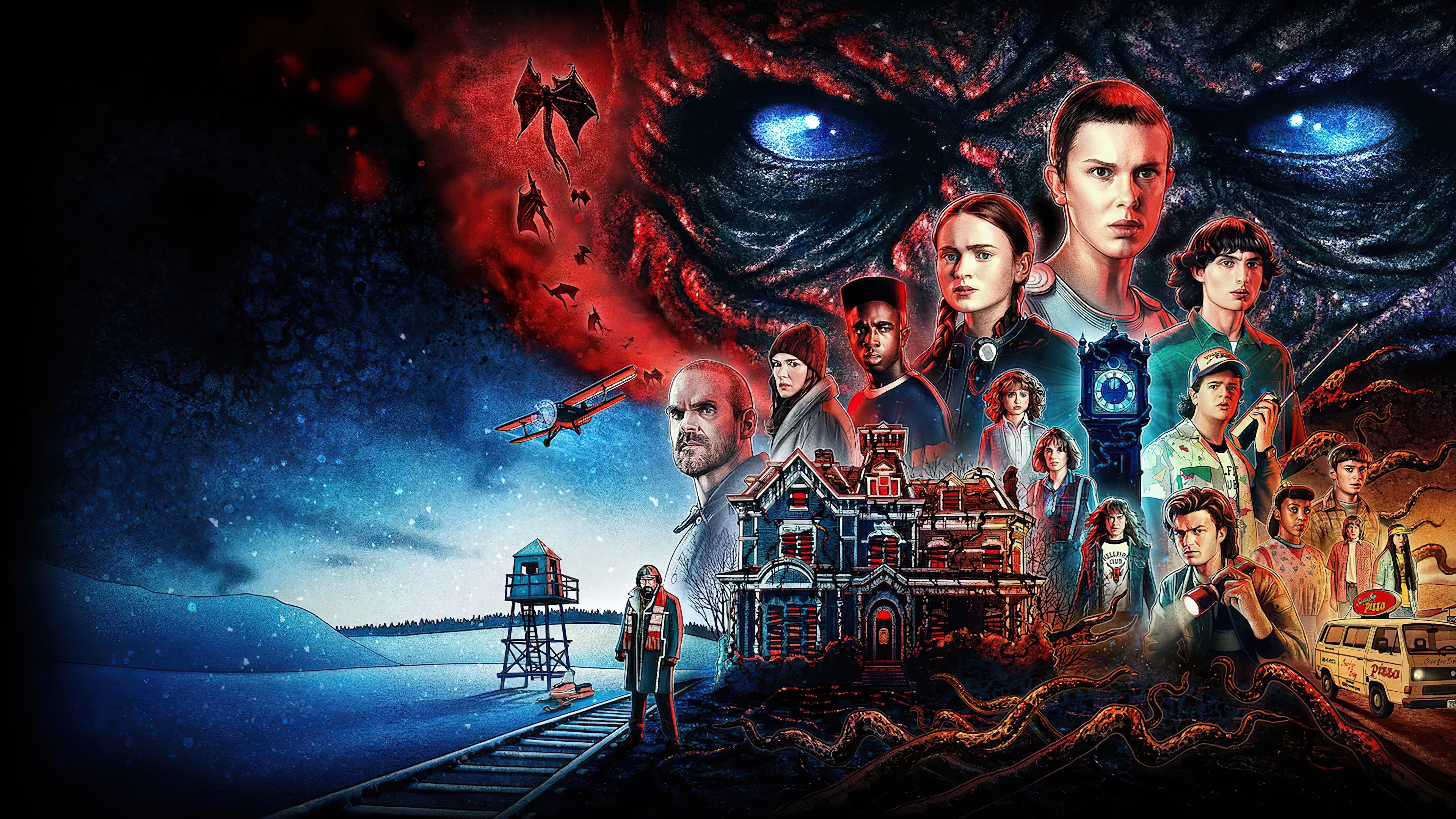 TV News
Tales From ’85 Gives Stranger Things a New Life at Netflix
Tales from ’85 will extend the supernatural world through fresh characters, new stories and the period atmosphere that shaped its appeal.
The Nutevio Editors2 days ago2 min17
Read story Box Office
Spider-Man: Brand New Day Rules 2026 Box Office After Seven Days
The Sony and Marvel sequel has overtaken Toy Story 5 after earning $1.155 billion worldwide in its first seven days.
The Nutevio Editors4 days ago2 min16
Read story Upcoming TV Shows
Netflix’s This Summer Will Be Different Moves Forward With Its Main Cast
Netflix has cast the central roles in its forthcoming series based on Carley Fortune’s novel, following a March 2026 greenlight.
The Nutevio Editors4 days ago2 min4
Read storyJoin the conversation