


Features
How Science Fiction Learned to Whisper
Arrival, Blade Runner 2049 and the decade science fiction stopped shouting.
For most of its life on screen, science fiction was a loud genre. It arrived with sirens, invasions, countdowns. Then, somewhere in the last fifteen years, a strain of it lowered its voice — and discovered that scale reads as awe only when something small is standing next to it.
The interior epic
Call it the interior epic: enormous premise, intimate stakes. First contact becomes a story about grief. A replicant manhunt becomes a story about wanting to be someone''s child. An operating system becomes a story about how badly a person wants to be known. The spectacle is intact; the camera is simply pointed at a face.
“Villeneuve builds cathedrals so that one person can stand inside them and be overwhelmed.”
Silence as production design
Listen to Blade Runner 2049 with your eyes closed and you will notice how much of it is room tone. Deakins lights vast dead spaces and the sound design refuses to fill them. The film is enormous and almost empty, and the emptiness is the point: this is a world that has run out of people to talk to.
Compare that with Her, which is quiet in the opposite direction — warm, close, pastel, full of overheard conversation. Both films use restraint, but one uses it as cold and one uses it as intimacy. Quiet science fiction is a register, not a mood.
Why the shift happened
- Digital effects stopped being remarkable, so novelty had to come from ideas.
- Prestige television absorbed the appetite for plot-heavy world building.
- Audiences had lived through enough real technological anxiety to find the intimate version more frightening.
Interstellar sits on the hinge of this change: a film with a black hole in it that is really about a phone call from a daughter. Even its most gigantic sequence is edited against a man in a room, ageing while he watches messages he cannot answer.
What the whisper costs
There is a risk in the register. Quiet can curdle into inert, and solemnity can pass for depth when a film has nothing underneath it. The successful examples all share one discipline: a hard, legible idea at the centre. Language shapes thought. Memory can be manufactured. Love can be a technology. Strip the hush away and there is still an argument standing there.
That is the real inheritance of the last decade. Science fiction did not get smaller. It learned that awe is a relationship between a person and a scale, and that if you want an audience to feel the size of something, you first have to make them care about someone standing at the bottom of it.
How we got here
Story timeline
In the smog-choked dystopian Los Angeles of 2019, blade runner Rick Deckard is called out of retirement to terminate a quartet of replicants who have escaped to Earth seeking their creator for a way to extend their short life spans..
Open on Nutevio
Who's involved
Characters in this story

Keep browsing
Explore the related collection
Collection · genre
Sci-Fi Movies
Explore the collection50 titlesCollection · theme
Hidden Sci-Fi Gems
Explore the collection50 titlesCollection · theme
Top 100 Mind-Bending Movies
Explore the collection100 titlesCollection · ranking
Top 250 Movies of All Time
Explore the collection250 titlesCollection · theme
Best Space Movies
Explore the collection46 titlesCollection · theme
Movies With Incredible Endings
Explore the collection50 titlesCollection · era
Best Movies of the 2010s
Explore the collection50 titlesCollection · theme
Best Philosophical Movies
Explore the collection50 titlesTitles in this article
People in this article
 Denis VilleneuveDirector
 Spike JonzeDirector
 Christopher NolanDirector
 Eric HeissererWriter
 Jonathan NolanWriter
 Hampton FancherWriter
 Michael GreenWriter
 Megan EllisonProducer
 Dan CohenProducer
 Aaron RyderProducer
 Karen LunderProducer
 Shawn LevyProducer
 Dan LevineProducer
 Emma ThomasProducer
 Lynda ObstProducer
 Andrew A. KosoveProducer
 Broderick JohnsonProducer
 Cynthia SikesProducer
Reporting sources
- Official studio announcement — Statements issued by the studio or distributor.
- Studio press release — Press material distributed to accredited outlets.
- Interviews — On-record comments from cast and filmmakers.
- Industry trades — Reporting from established trade publications.
- Public announcements — Panels, festivals and verified social accounts.
Nutevio reports only verified information.
Article history
- July 22, 2026Initial publication
About the author
The Nutevio Editors
Nutevio's editorial desk writes about how films are built, not just whether they are good.
Continue reading
More news
 Essays
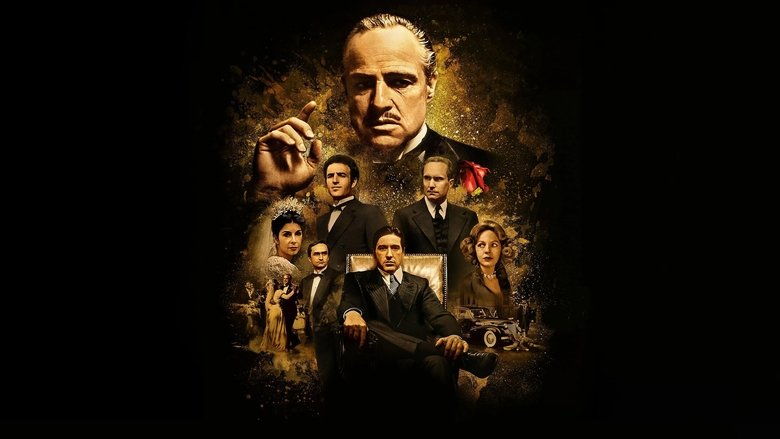
The Quiet Mechanics of a Perfect Ending
Why the last ninety seconds of a film do more structural work than the first thirty minutes.
The Nutevio EditorsJuly 26, 20269 min2
Read storyFeaturesNolan's Clock: Time as an Antagonist
Every Christopher Nolan film is a negotiation with a deadline. A close reading of the method.
The Nutevio EditorsJuly 18, 202610 min
Read story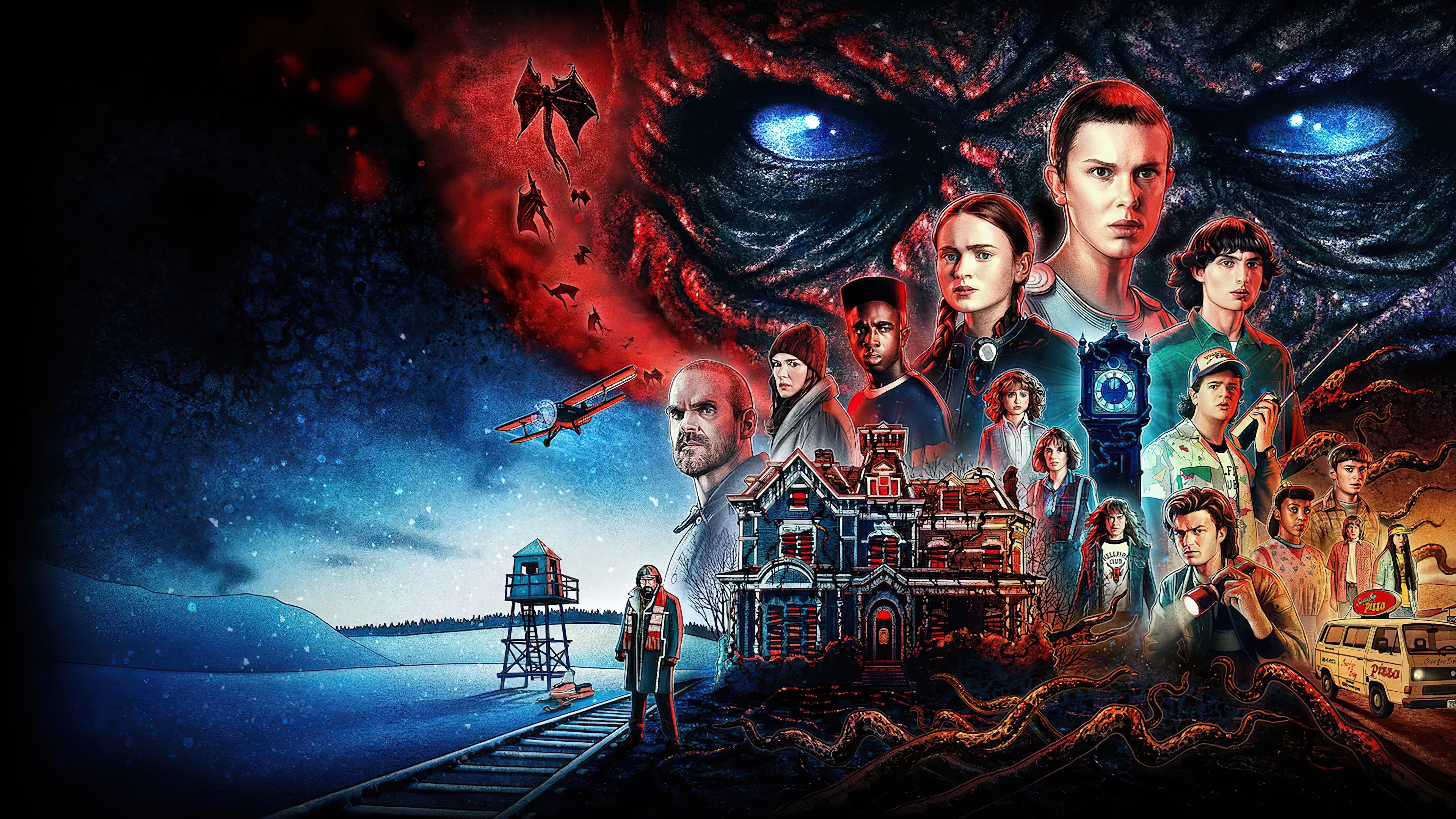 TV News
Tales From ’85 Gives Stranger Things a New Life at Netflix
Tales from ’85 will extend the supernatural world through fresh characters, new stories and the period atmosphere that shaped its appeal.
The Nutevio Editors2 days ago2 min17
Read story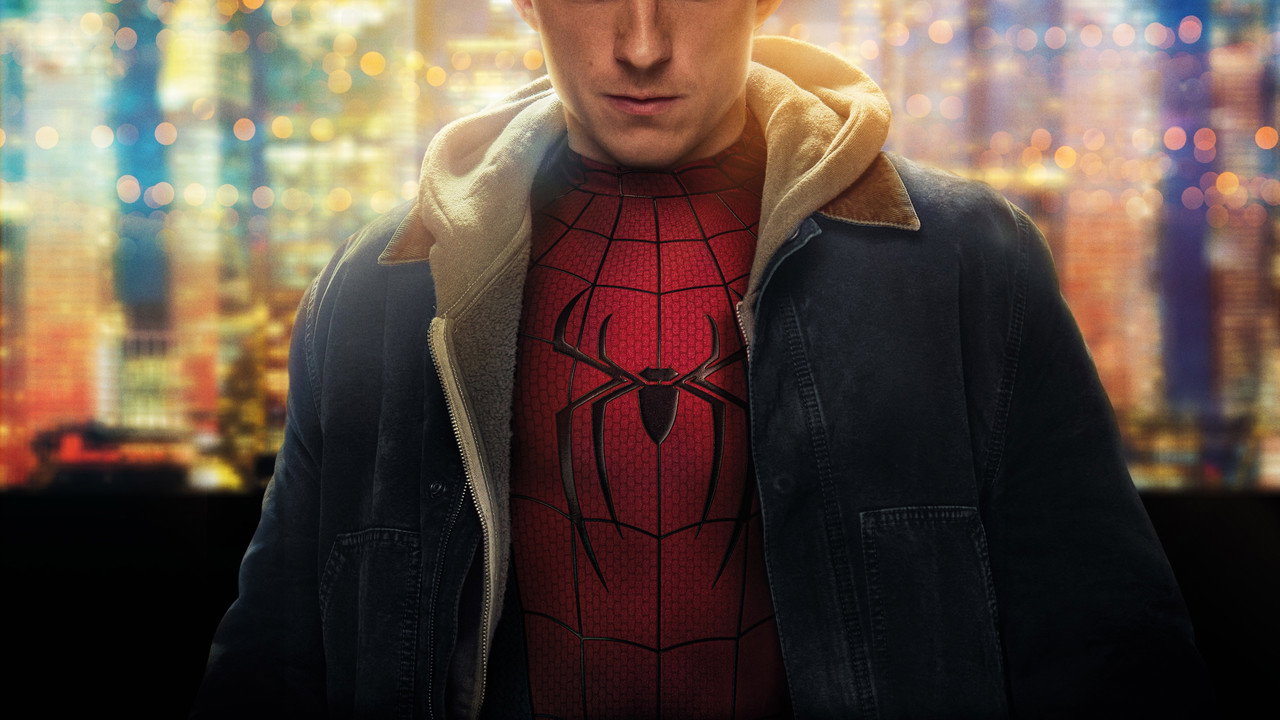 Box Office
Spider-Man: Brand New Day Rules 2026 Box Office After Seven Days
The Sony and Marvel sequel has overtaken Toy Story 5 after earning $1.155 billion worldwide in its first seven days.
The Nutevio Editors4 days ago2 min16
Read story Upcoming TV Shows
Netflix’s This Summer Will Be Different Moves Forward With Its Main Cast
Netflix has cast the central roles in its forthcoming series based on Carley Fortune’s novel, following a March 2026 greenlight.
The Nutevio Editors4 days ago2 min4
Read story Streaming
Tenet Finds New Momentum on HBO Max as The Odyssey Rules Cinemas
Tenet is finding renewed streaming momentum as Nolan’s The Odyssey continues its powerful theatrical run.
The Nutevio Editors4 days ago2 min30
Read storyJoin the conversation